
AI in design: Will generative design replace designers?, 03 October 2026.
How algorithms optimize the weight and stability of a chair or a metal structure in seconds, leaving humans to supervise the result.
Until yesterday, we thought automation threatened only manual workers, while human creativity was completely safe. We were wrong. As you read this, generative design algorithms are testing tens of thousands of variations of a single piece of furniture.
In less than a minute, a computer can calculate perfect structural stability, reduce material consumption by 35% and create shapes a human mind would never have imagined - because people follow familiar rules, habits and aesthetics.
The question is no longer whether artificial intelligence is coming to furniture and interior design. It is already here. The real question is: Is it time for designers to put their software away?
What is generative design, and why is it radically different?
A traditional designer sits at a computer with an idea and draws lines in CAD software. They create a form, then try to adapt it to function and budget.
Generative design (AI) works in the opposite direction. It does not start by drawing a form. An engineer gives it boundary conditions:
"Design an office chair that must withstand a 150 kg load."
"The maximum material budget is 30 euros."
"Optimize the structure for a five-axis CNC machine or an industrial 3D printer."
AI then takes over. It does not think about what is trending on Pinterest. It calculates forces, removes material where there is no stress and reinforces the structure where pressure is greatest. The result is often an unusual organic form resembling bones, branches or sea corals. AI is effectively copying nature, which has spent millions of years solving the problem of saving resources while maximizing stability.
Who loses work, and who adapts?
The answer to the headline is harsh but simple: AI will not replace designers, but designers who use AI will replace those who do not.
Technical drafters and designers who rely on generic, familiar solutions will feel the impact first. If your job is to redraw somebody else's idea, change its dimensions by a few centimetres and export a file, a computer can already do that faster, more cheaply and without error.
Leading designers and architects, however, gain an incredibly powerful assistant. Instead of spending days on technical calculations and structural testing, they become curators and guides for artificial intelligence. A human still asks the right question, defines context, understands the emotion of a space and, most importantly, makes the final decision.
Do you often explain the same knowledge and experience again?
An experienced designer or architect has to work through the same questions with every client. AI can help automate those repeated questions and answers, shortening the process and reducing the risk of human error.
AI's biggest obstacle: The real world and the workshop
Creating a good generative design on screen is easier than ever. But this exposes the industry's painful point: a screen accepts everything, while workshop machines do not forgive mistakes.
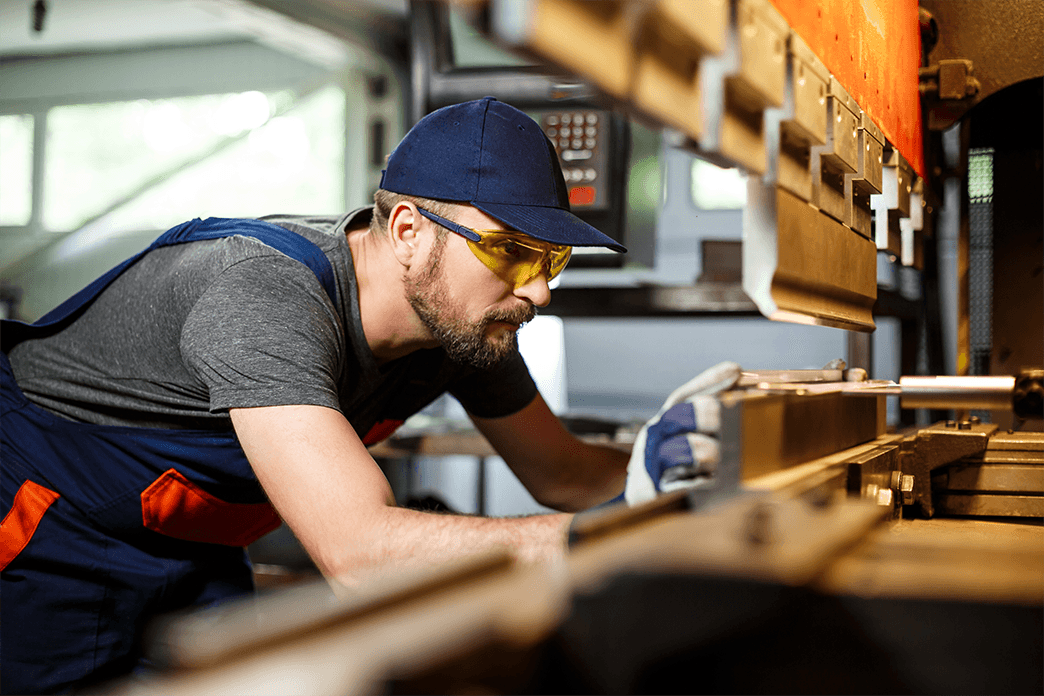
When AI produces a complex organic table structure that saves material, an average workshop with old machines may have no idea what to do with the file. Traditional factories are built for straight lines and rectangular forms. Realizing AI designs requires advanced technologies: five-axis CNC centres, precision lasers and industrial 3D printing, as well as a new generation of craftspeople who can turn digital code into physical objects.
Without an engineering bridge between smart software and smart machines, robotic design remains just a beautiful image on social media.
The future belongs neither to robots nor to a tradition that rejects change. It belongs to a hybrid model, where human vision and AI optimization meet advanced digital manufacturing.

World Craft Center Editorial